

Top 10 Best AI Tools in 2026: Revolutionize Your Workflow
Discover the top 10 best AI tools of 2026 that you can’t afford to miss.
From advanced content creation to automation, elevate your productivity today.
Best AI tools are completely shifting how the digital landscape operates, making automation and intelligent software core components of professional excellence. To maintain a competitive edge, identifying the applications tailored to your specific demands is no longer optional. Navigating the expanding ocean of software can be overwhelming, yet selecting the right systems unlocks massive returns on investment and unmatched speed. Embracing these advanced frameworks allows organizations to eliminate repetitive tasks and focus heavily on high-value strategy. As smart systems evolve, the synergy between human creativity and algorithmic execution becomes seamless. Today, tracking the best AI tools gives developers, creators, and business leaders the clarity required to redesign entire operational structures. This comprehensive analysis evaluates the market-leading solutions changing how industries operate globally this year. Finding the perfect application requires looking past marketing hype to examine deep operational capabilities. The market for the best AI tools is highly diversified, spanning specialized platforms for text generation, automated code writing, hyper-realistic voice synthesis, and predictive business analytics. Professionals who successfully deploy these assets report drastic reductions in overhead costs alongside rapid acceleration in project delivery timelines. A reliable starting point for discovering elite platforms is utilizing dedicated assessment portals like bestaitools.reviews, which aggregates verified performance data and user feedback. By cross-referencing industry evaluations, teams can easily isolate high-performing software from sub-optimal choices. Investing energy into exploring the best AI tools establishes a highly resilient technological base capable of scaling alongside rapid macroeconomic changes. Selecting premier operational platforms requires analyzing continuous feature upgrades, community support, and architectural stability. Below is a concise breakdown of the top 10 best AI tools currently redefining global productivity standards across major technical and creative disciplines: Modern enterprises operate under thin margins and intense competition, where response time dictates market leadership. Integrating the best AI tools into corporate environments transforms static cost centers into highly agile units. From small marketing firms to global logistical organizations, utilizing these smart systems enables real-time decision-making powered by machine learning algorithms. Furthermore, deploying the best AI tools helps mitigate human error in data entry, basic accounting, and standard client onboarding. By offloading mechanical tasks to automated agents, your workforce can redirect energy toward long-term business strategy, customer satisfaction, and innovative product development. Adapting to this new paradigm protects organizations against sudden labor shortages and changing industry benchmarks. Separating short-term trends from long-term software assets requires a strict, multi-layered evaluation framework. When trying to determine the best AI tools for your tech stack, several core metrics must be thoroughly analyzed before financial commitments are made. A truly exceptional platform balances technological capability with practical user accessibility. The best AI tools offer shallow learning curves alongside comprehensive documentation, allowing non-technical team members to maximize performance quickly. Security remains paramount; software that safeguards corporate data always scores higher than platforms with opaque privacy terms. Successful implementation requires a structured approach across distinct professional tracks. The best AI tools can be seamlessly introduced into various departments to yield immediate, measurable improvements. Content Writing: Use conversational models to build structured outlines, draft initial paragraphs, and execute rigorous grammar editing. This method reduces creative block and triples daily written output. Graphic Design: Deploy image generation platforms to quickly produce initial concept sketches and mood boards. Designers can iterate on client ideas in seconds rather than spending days on manual drafting. Video Production: Utilize avatar systems and smart editors to cut long footage, generate accurate subtitles, and build complete informational videos. This significantly lowers production budgets and camera equipment requirements. Audio Synthesis: Leverage high-fidelity voice cloning tools to create multi-language voiceovers for international campaigns. This eliminates the need to coordinate complex recording sessions with external voice talent. E-commerce Operations: Implement automated support agents and dynamic product description writers to run storefronts continuously. Automated systems capture leads and handle basic customer service requests 24/7 without manual supervision. Unlocking the absolute maximum potential of these applications depends entirely on how effectively you communicate your instructions. Even the best AI tools require structured, context-rich prompting strategies to deliver highly accurate and professional assets without costly hallucinations. Define a Clear Persona: Always begin your command by establishing a specific role for the system. Instructing the platform to act as an elite copywriter, expert financial consultant, or senior developer instantly aligns its stylistic output with your professional benchmarks. Provide Deep Contextual Frameworks: Avoid vague, single-sentence requests that produce generic responses. Feed the model background data, your primary goals, and target audience descriptions to guarantee tailored results that address your exact challenges. Enforce Strict Output Constraints: Clearly dictate the length, formatting, and structural tone of your expected answers. Specifying that the software must deliver content using specific bullet styles or HTML formatting saves massive editing hours later. Utilize the Few-Shot Prompting Technique: Give the model real-world examples of high-quality outputs before triggering your final command. Presenting two or three high-performing text samples ensures the application mirrors your preferred structural blueprint perfectly. Mastering these innovative workflow strategies is the ultimate key to sustainable growth. By selecting the best AI tools and implementing professional prompting techniques, you build an efficient, scalable, and future-proof engine ready to conquer tomorrow’s business challenges.
Our recommendations
 Perplexity View more
Save up to 30%
 NotebookLM View more
Save up to 45%
 ElevenLabs View more
Save up to 30%
 Midjourney View more
Save up to 35%
Discovering the Ultimate Best AI Tools for Modern Productivity
Curating the Definitive Top 10 Best AI Tools to Transform Your Workflow
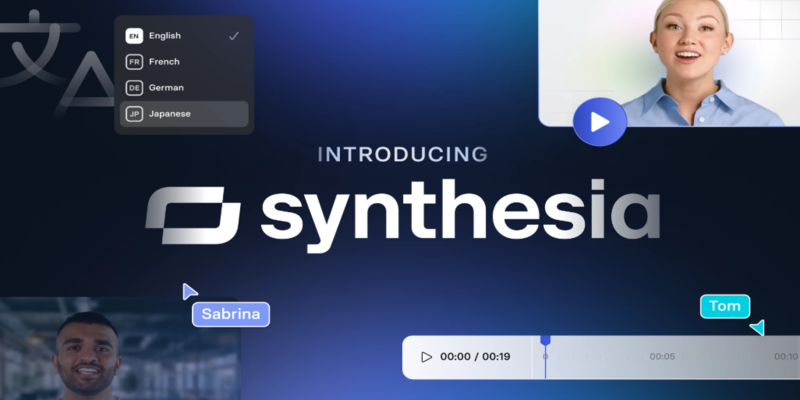
Why Investing in the Best AI Tools Is Critical for Business Success
Core Evaluation Criteria: What Actually Defines the Best AI Tools
Evaluation Criterion
Target Standard for Excellence
Operational Impact
API & Integration Capability
Flawless connectivity with Slack, Zapier, and standard databases.
Eliminates data silos and unifies corporate workflows.
Data Security & Compliance
SOC 2 Type II compliance, GDPR adherence, and strict encryption.
Protects sensitive proprietary information from external exposure.
Context Window & Accuracy
Low hallucination rates matched with extensive input memory.
Ensures reliable outputs for complex technical documents.
Cost-to-Value Ratio
Transparent tier pricing with clear return on productivity.
Prevents software budget inflation while maximizing output.
Actionable Blueprint: Integrating the Best AI Tools Into Creative Workflows

Pro Prompting Guide: Maximizing Output with the Best AI Tools
Conclusion